Islington Council rules for bulky waste and rubbish collection: a practical guide
If you live or work in Islington, bulky waste has a way of sneaking up on you. One old wardrobe turns into a pile of flat-pack boxes, broken chairs, a mattress, and suddenly the hallway looks like a storage unit that lost the argument. The Islington Council rules for bulky waste and rubbish collection matter because they shape what you can put out, when you can put it out, and what happens if your items are not accepted. This guide breaks it down in plain English, so you can clear space without risking missed collections, complaints from neighbours, or a messy, last-minute scramble.
We will cover how the service usually works, where people go wrong, what counts as bulky waste, and when a private clearance option can make more sense. If you are comparing approaches, you may also find it useful to look at waste removal options in Islington or more targeted services such as furniture disposal and house clearance. Let's get into it.
Table of Contents
- Why Islington Council rules for bulky waste and rubbish collection Matters
- How Islington Council rules for bulky waste and rubbish collection Works
- Key Benefits and Practical Advantages
- Who This Is For and When It Makes Sense
- Step-by-Step Guidance
- Expert Tips for Better Results
- Common Mistakes to Avoid
- Tools, Resources and Recommendations
- Law, Compliance, Standards, or Best Practice
- Options, Methods, or Comparison Table
- Case Study or Real-World Example
- Practical Checklist
- Conclusion
- Frequently Asked Questions
Why Islington Council rules for bulky waste and rubbish collection Matters
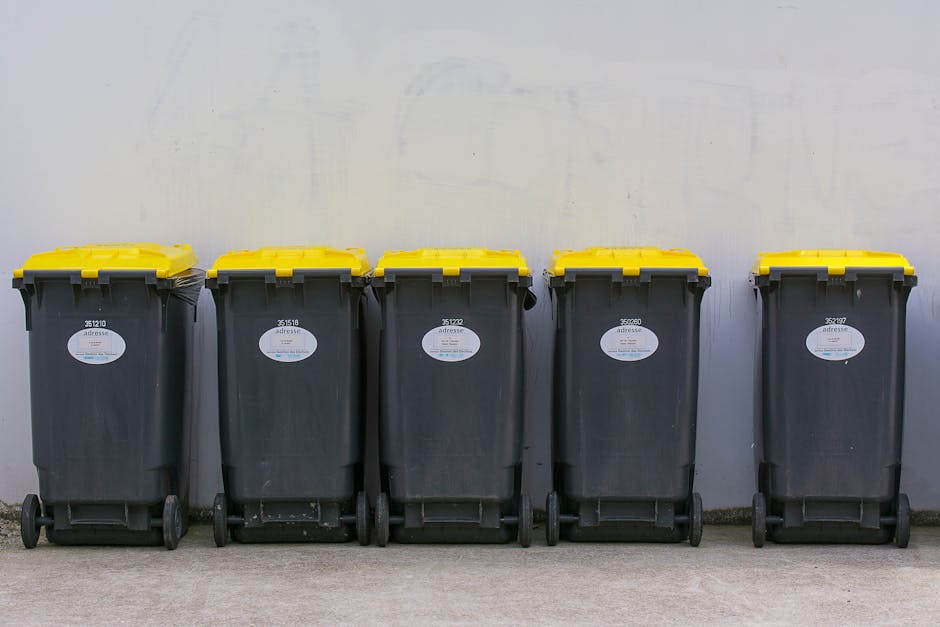
Bulky waste is not the same as a normal black bag or recycling pickup. Councils treat large items differently because they take up space on collection vehicles, can pose safety risks, and often need sorting for reuse, recycling, or disposal. In a dense borough like Islington, those rules also help protect pavements, keep communal areas clear, and reduce the odds of fly-tipping creeping in after a missed collection. Nobody wants a broken sofa sitting outside for three wet days, getting soaked and attracting trouble.
The practical side matters too. If you know what the council accepts, how it wants items presented, and what the limits are, you save time and avoid frustration. That sounds obvious, but in real life people often leave it too late. Then it is Sunday evening, the stairwell is blocked, and everyone is asking who booked the collection. Not ideal.
There is another reason this topic matters: the rules can affect whether a council collection is the best option or whether a private clearance service is more efficient. For a single item, council collection may be perfectly sensible. For multiple items, awkward access, or mixed rubbish, a service such as home clearance or flat clearance may be the more realistic route.
Expert summary: In practice, the best result usually comes from matching the collection method to the type, volume, and access conditions of the waste. One sofa is a booking problem. A full room of furniture is a logistics problem.
How Islington Council rules for bulky waste and rubbish collection Works
While exact procedures can change, council bulky waste services in London usually follow a simple pattern: you request a collection, check what items are allowed, prepare the waste properly, and present it on the agreed day in the correct location. The idea is straightforward. The details, as always, are where people get caught out.
Bulky waste usually refers to large household items that are too big for standard bins. Think mattresses, wardrobes, sofas, tables, bed frames, white goods, and similar items. Garden items, old fencing, and some DIY leftovers may be treated differently, depending on the service rules. This is why it helps to separate categories early rather than dumping everything into one pile and hoping for the best. Hope is not a disposal strategy. Useful, but not enough.
In many cases, you will need to:
- confirm the exact items you want removed
- check whether hazardous or restricted items are excluded
- book a date or request a collection slot
- place items in an accessible location
- make sure they are ready for collection, not dismantled into unsafe messes
Rubbish collection rules are usually stricter for everyday waste than for bulky items. Loose bags, contaminated waste, and mixed rubbish can create separate issues. If your clearance includes builders' debris, old office equipment, or general household clutter, it may be worth comparing the council route with builders waste clearance or office clearance, depending on the source of the waste.
One important clarification: council services are designed for public use and fairness, not for custom logistics. If your waste is awkwardly stacked in a basement, up three flights with no lift, or mixed with items that need sorting, that is where expectations can become mismatched very quickly.
Key Benefits and Practical Advantages
Using the correct bulky waste route has a few real-world benefits. The first is obvious: you get rid of large items legally and without guesswork. But there is more to it than that.
- Cleaner communal spaces: Items do not sit around waiting for a random solution.
- Less risk of fly-tipping: Proper collection reduces the temptation to leave waste elsewhere.
- Better recycling outcomes: Suitable items may be sorted for reuse or recycling rather than simply discarded.
- More predictable planning: You know what to do, what to prepare, and when.
- Lower stress: Honestly, that alone is worth something.
There is also a neighbourhood benefit that people do not always talk about. In a busy area, one person's bulky waste problem can quickly become everybody's visual and practical problem. If items are left too long in shared entrances or on the street, the whole building feels the strain. A clear process helps keep things civil. Sounds small, but it matters.
If you are dealing with soft furniture or single-item disposal, you may also want to review furniture clearance and recycling and sustainability options to understand how items might be handled after removal.
Who This Is For and When It Makes Sense
This guidance is useful for a wide range of people. If any of these sound familiar, you are in the right place:
- homeowners clearing out old furniture
- tenants moving out of a flat and dealing with leftover items
- landlords preparing a property for re-let
- estate executors sorting a relative's belongings
- small businesses clearing office furniture or mixed rubbish
- residents with limited access, no lift, or awkward stairwells
It makes sense to use council bulky waste collection when the volume is low, the items are permitted, and the access is straightforward. A mattress and a chair? Fine. A whole flat full of furniture, old appliances, and bagged clutter? That is where a more flexible private service can save a lot of back-and-forth.
For example, people clearing a loft after years of accumulation often discover the real issue is not the old suitcase or Christmas decorations. It is the mix: cardboard, broken shelving, dusty boxes, and one or two items too large to manage alone. In that situation, a specialist option like loft clearance may be more realistic than trying to fit everything into a council booking.
Truth be told, a lot of bad clearance experiences come from trying to use the wrong service for the job.
Step-by-Step Guidance
If you want to make the process smooth, follow a simple, methodical approach. No need to overcomplicate it.
- List every item clearly. Write down what needs removing, item by item. Separate furniture, electricals, garden waste, and general rubbish.
- Check what is accepted. Some items may be restricted, especially if they are hazardous, contaminated, or require special handling.
- Measure awkward pieces. This is especially useful for large wardrobes, bed bases, or bulky appliances. If you cannot lift it safely, plan for help.
- Decide whether the council route is practical. If access is easy and the load is small, it probably is. If not, consider a wider clearance option.
- Prepare the items properly. Keep them in an agreed, accessible place. Do not block fire exits, shared corridors, or neighbours' access.
- Remove loose rubbish from furniture. Drawers, bedding, and random clutter can create confusion. Keep it tidy.
- Book early if a slot is needed. A last-minute rush is where mistakes multiply.
- On the day, keep the area clear. If items are in a basement or rear yard, make sure crews can reach them safely.
If you are dealing with more than furniture, it can help to build the job into a broader clearance plan. A garage clearance, for instance, often throws up mixed waste: broken tools, old paint tins, timber offcuts, and enough random bits to fill two wheelie bins before breakfast. That is exactly the sort of job where planning pays off.
Expert Tips for Better Results
The difference between a smooth collection and a frustrating one usually comes down to preparation. Here are a few practical tips that make life easier:
- Separate reusable items early. If something still works, keep it apart from true waste. It is easier to donate, sell, or reuse later.
- Take photos before you move anything. Useful for quoting, organising access, and spotting problems in advance.
- Check stair width and doorways. That one sounds boring until a wardrobe gets stuck halfway down the landing.
- Think about timing. Morning collections often reduce the chance of items being left out overnight.
- Use a service that matches the mix of waste. Furniture, garden cuttings, and office clutter need different handling.
If you are comparing private services, it is sensible to look at the full picture: access, loading, recycling expectations, and pricing clarity. A transparent service is usually worth more than a cheap headline price that balloons later. If you want a clearer idea of planning and budgeting, pricing and quotes is the sort of page worth checking before you commit.
A small but useful habit: keep one box or bag for "not waste yet." Papers, chargers, keys, and random bits of value often hide in clutter. You would be surprised how often that saves a headache later. And a few quid too, sometimes.
Common Mistakes to Avoid
Most issues are avoidable if you know what to watch for. The most common mistakes include:
- Leaving items out too early: This creates mess and can frustrate neighbours.
- Mixing restricted waste with normal bulky waste: That can lead to refusal or delay.
- Not checking access: A collection is much harder if the route is blocked or unsafe.
- Assuming all large items are treated the same: They are not.
- Forgetting about electricals or recyclable components: These often need separate handling.
- Booking the wrong type of service: A single-item collection is not the same as a full property clearance.
A lot of people also underestimate the emotional side. Clearing a family home, for example, is rarely just a logistics task. There is memory attached to the furniture, the smell of an old book, the odd silence of an emptied room. That can slow decisions right down. Normal, really. Just try to separate sentiment from disposal method where you can.
If you are working through a bigger property clean-up, the broader services on house clearance and home clearance may fit better than a narrow bulky waste arrangement.
Tools, Resources and Recommendations
You do not need fancy equipment to prepare bulky waste properly, but a few basic tools help a lot:
- strong refuse sacks for loose waste
- gloves for handling dusty or splintered items
- a tape measure for awkward furniture
- a torch for lofts, cupboards, or dark corners
- box cutters or a screwdriver for safe dismantling where appropriate
Recommendations from an on-the-ground perspective are simple. Keep the job broken into categories, use photos to plan access, and decide early whether the council route or a private clearance route is the better fit. If the waste came from a business premises, you should also consider whether business waste removal is the more suitable approach.
For properties with a lot of mixed content, especially flats and homes with both furniture and loose rubbish, a service combination may be more practical than one single collection. That is where a little judgment goes a long way.
Law, Compliance, Standards, or Best Practice
When dealing with rubbish and bulky waste in the UK, the key principle is simple: waste should be managed responsibly, safely, and in line with the applicable rules for its type. That includes avoiding fly-tipping, keeping public areas clear, and making sure any collector or handler is acting properly. The exact legal duties can vary depending on who owns the waste, what the material is, and whether the waste comes from a household or a business.
For residents, the safest approach is to follow the council's published guidance, present waste as instructed, and separate items where needed. For businesses, there are usually additional responsibilities around transfer, record-keeping, and using a legitimate waste carrier. That is not just bureaucracy for the sake of it. It exists because waste can be traced, audited, and handled safely.
Best practice also means being cautious with items that might be sharp, contaminated, or electrically unsafe. A cracked mirror, a broken bed frame, or a heavy appliance can cause injury if moved carelessly. If you are unsure, do not muscle through it. Better to slow down than to end up with a bent back and a bin bag full of regret.
For businesses and multi-room properties, a documented approach using office clearance or other specialist clearance services can help keep compliance tidy and the process more predictable.
Options, Methods, or Comparison Table
Choosing the right disposal method depends on volume, access, waste type, and how quickly you need the space back. Here is a simple comparison.
| Option | Best for | Advantages | Trade-offs |
|---|---|---|---|
| Council bulky waste collection | Small numbers of acceptable household items | Simple, familiar, usually cost-conscious | Less flexible, item restrictions, may require exact presentation |
| Private waste removal | Mixed waste, awkward access, faster turnaround | More flexible, often quicker, can handle more variety | Cost may be higher depending on volume and labour |
| Specialist furniture disposal | Single items or furniture-heavy clear-outs | Focused handling, good for sofas, beds, wardrobes | Not always ideal for mixed rubbish |
| Full property clearance | Homes, flats, lofts, garages, inherited properties | Efficient for bigger jobs, reduces back-and-forth | May be more than you need for one item |
In plain terms: if you have one item and a simple setup, council collection may do the job. If you have a lot of clutter, mixed waste, or a property that is difficult to access, a broader service will usually feel a lot less stressful.
Case Study or Real-World Example
Here is a realistic example. A resident in a top-floor Islington flat needed to clear a broken sofa, an old mattress, and several bags of mixed household clutter after a move. The stairwell was narrow, the lift was out for maintenance, and one neighbour had already asked that the communal hall stay clear because of prams coming through in the morning. Fair enough.
At first, the resident thought the bulky waste collection would be the neatest answer. But once the items were gathered, it became clear the job included more than just furniture. There were loose books, a dismantled shelf, and a few bags of bits from the kitchen cupboards. A single bulky collection would have been awkward. The better route was a broader flat clearance approach, with the items sorted and removed in one go.
The lesson? Match the method to the mess. That saves time, reduces stress, and usually means fewer surprises on the day. Not glamorous, but very effective.
Practical Checklist
Use this checklist before you book or place any waste out for collection:
- Have I identified every item that needs removing?
- Are any items hazardous, restricted, or likely to need special handling?
- Have I separated furniture, electricals, garden waste, and general rubbish?
- Is the collection point accessible and safe?
- Have I measured large items that may be difficult to move?
- Do I know whether the council route is suitable for this volume?
- Would a wider clearance service be more practical?
- Have I removed anything I want to keep, donate, or recycle separately?
- Is the waste ready on the correct day and in the correct place?
- Have I checked pricing or booking details before confirming?
If you are dealing with outdoor items or piles that have built up over time, it can also help to review garden clearance or garage clearance depending on where the mess started. Sometimes the best fix is simply choosing the right category from the start.
Get a free quote today and see how much you can save.
Conclusion
The main thing to remember about the Islington Council rules for bulky waste and rubbish collection is that they are designed to keep waste manageable, safe, and fair for everyone involved. If you understand what counts as bulky waste, how items need to be prepared, and when a broader clearance service makes more sense, the whole process becomes much less stressful.
Most people do not need perfection. They just need a clear plan, a bit of practical sorting, and the right disposal route for the job in front of them. A tidy room, a clear hallway, and one less thing hanging over your head can make a bigger difference than people expect. It really can.
If you are ready to take the next step, choose the option that best fits your access, volume, and time frame. That is usually where the calm starts to return.
Frequently Asked Questions
What counts as bulky waste in Islington?
Bulky waste generally means large household items that do not fit into normal bins, such as sofas, beds, wardrobes, tables, mattresses, and some appliances. Exact acceptance rules can vary, so it is always worth checking the item list before booking.
Can I leave bulky waste outside my home for collection?
Usually, items need to be placed in a clear, accessible location and only at the correct time. Leaving waste out too early can cause obstruction, complaints, or collection problems. It is best to follow the stated instructions closely.
Are builders' materials treated as bulky waste?
Not usually in the same way as household bulky items. Rubble, plasterboard, timber, and similar materials often need a different arrangement. If your waste is from DIY or construction work, a dedicated builders waste clearance service may be more suitable.
What should I do with furniture that is still usable?
If furniture is in decent condition, consider reuse first. You may want to separate it from waste so it can be donated, sold, or reused rather than disposed of. That is better for the environment and can make your clearance cheaper or simpler.
Is council bulky waste collection cheaper than private removal?
It can be for simple jobs, especially if you only have one or two items. But once you factor in awkward access, multiple items, or mixed waste, a private service may be better value because it saves time and reduces hassle.
What happens if my items are not accepted?
If items are restricted, contaminated, or not presented correctly, they may be refused or left behind. That is why it helps to sort items carefully in advance and check the rules before collection day.
Can businesses use the same bulky waste process as residents?
Not always. Business waste usually comes with different responsibilities and often needs a service suited to commercial waste streams. If you are clearing an office, business waste removal or office clearance may be the right direction.
What if I have a whole flat or house to clear?
That is usually beyond a single bulky collection. A broader service such as flat clearance, home clearance, or house clearance is often more practical.
How do I prepare items so they are collected smoothly?
Keep them together, make sure the access route is clear, remove loose rubbish, and avoid blocking communal spaces. If items need dismantling, do it safely and only if it helps the collection rather than making it messier.
What is the best option if I am not sure which service I need?
If you are unsure, start by listing the items, the access conditions, and how quickly you need the space cleared. That makes it much easier to decide between council collection and a specialist service such as waste removal or a more targeted clearance page.
Can I recycle bulky items instead of sending them all to disposal?
Often, yes. Many bulky items contain recyclable parts, and some usable furniture may be suitable for reuse. For a better idea of responsible handling, see recycling and sustainability.
How do I avoid fly-tipping issues when clearing waste?
Use a legitimate collection route, do not leave waste in unauthorised places, and make sure any removal is handled properly. Fly-tipping causes real problems for neighbours and can create enforcement issues, so a clear and lawful disposal plan is always the safest choice.
Where can I learn more about the company and its standards?
You can review the company's about us page, along with useful policies such as health and safety, insurance and safety, and terms and conditions for a clearer picture of how things are handled.