
Health & Safety Policy for House Clearance Islington
Purpose: This policy sets out the approach to health and safety for all house clearance and rubbish removal operations undertaken by our clearance team. It applies to staff, contractors and any persons acting on behalf of the company when conducting domestic or commercial clearance activities in the service area. The aim is to protect people, property and the environment during every waste clearance and house clearance service, emphasising risk reduction, safe working methods and legal compliance.

Scope: The policy covers the full range of waste and debris removal tasks including bulky item collection, light demolition, deep clear-outs, haulage and segregation of materials for recycling. It applies to workers handling household waste, non-hazardous building materials and the interface with third-party waste facilities. The statement complements specific operational procedures and ensures that rubbish collection and waste clearance activities are conducted with due consideration for occupational safety and public welfare.
Responsibilities: Managers are responsible for ensuring that all team members receive appropriate training and that risk assessments are current. Staff must follow safe systems of work, report hazards and cooperate with supervisors. Everyone involved in removal services has a duty to take reasonable care for their own safety and that of others. Contractors joining a clearance job are required to demonstrate competence in safe handling and transport of waste.
Risk Assessment and Control Measures
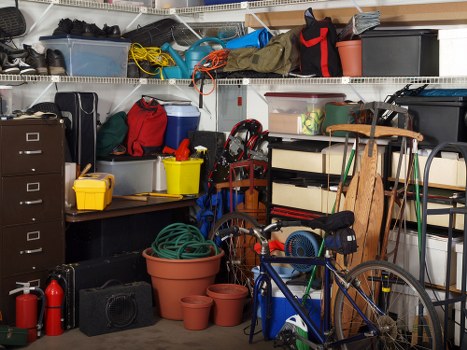
Before any house clearance, a documented risk assessment is carried out to identify hazards such as manual handling risks, sharps, asbestos suspicion, pests, unstable structures and traffic risks. Control measures include:
- Manual handling protocols: use of trolleys, lifting aids and team lifts for heavy items.
- Personal Protective Equipment (PPE): gloves, eye protection, high-visibility clothing and appropriate footwear.
- Segregation: separation of recyclable materials, safe containment of waste and clear labelling.
- Vehicle safety: secure loading, correct weight distribution and routine vehicle checks.
Training and Competence: Staff engaged in waste clearance, rubbish collection or estate clear-outs receive induction training and regular refresher sessions. Training covers manual handling techniques, use of PPE, hazardous waste recognition and basic first aid. Competence verification is recorded and supervisors ensure tasks are only performed by staff who are assessed as competent for that activity.
Safe Working Procedures
Safe working procedures are used to standardise how clearances are carried out. These include pre-job site checks, controlled access to work areas, exclusion of non-essential personnel and clear communication protocols. For complex removals, a job-specific plan will detail sequencing, lifting plans and emergency arrangements. The objective is to minimise exposure to risks and ensure works proceed methodically and safely.
Hazardous Materials: Where suspected hazardous materials are encountered — for example, items that may contain asbestos, chemical containers, or medical waste — work is stopped and the item isolated. Trained personnel assess and arrange for appropriate specialist disposal. Under no circumstances should untrained staff attempt to handle clearly hazardous materials.

Incident Reporting and Emergency Response: All incidents, near misses and injuries are recorded and investigated to prevent recurrence. Emergency procedures ensure rapid access to medical assistance and safe evacuation when required. Lessons learned from incidents are incorporated into training and procedure updates. The policy promotes a culture of open reporting so that safety improvements are sustained and measurable.
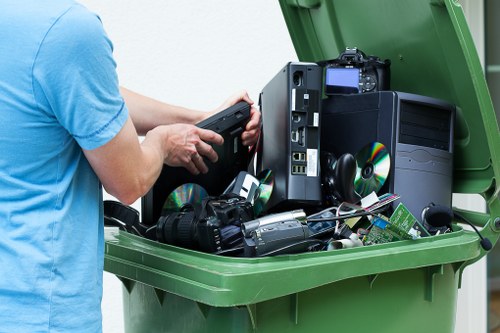
The company maintains insurance and complies with statutory obligations relevant to waste carriers and clearance operations. Routine audits and inspections verify that vehicles, equipment and PPE are fit for purpose and that rubbish removal and waste clearance activities conform to operational standards. Continuous improvement is supported by periodic review of risk assessments and engagement with staff on safety matters.
Monitoring and Review: Health and safety performance is monitored through key performance indicators, toolbox talks and scheduled reviews. This policy is reviewed at least annually or more frequently if there are changes in legislation, work practices or following significant incidents. The ultimate responsibility for maintaining an effective health and safety management system rests with senior management, while day-to-day implementation is delegated to supervisors and operational staff.
Commitment: We are committed to providing a safe environment for everyone involved in clearance work. By integrating risk management into everyday operations, encouraging safe behaviours, and maintaining a clear focus on welfare, the company ensures that house clearance and rubbish services are delivered responsibly and professionally.
Application: This policy applies to all activities related to property clearance, rubbish removal services and waste clearance operations undertaken by the business. It should be read alongside operational procedures and the company’s environmental and quality policies.
Review Date: This policy will be kept under review to ensure continued relevance and compliance. Any substantive changes will be communicated to staff and contractors to maintain a high standard of safety in all clearance activities.